Launch of Electric Mobility at Meru Dairy Union
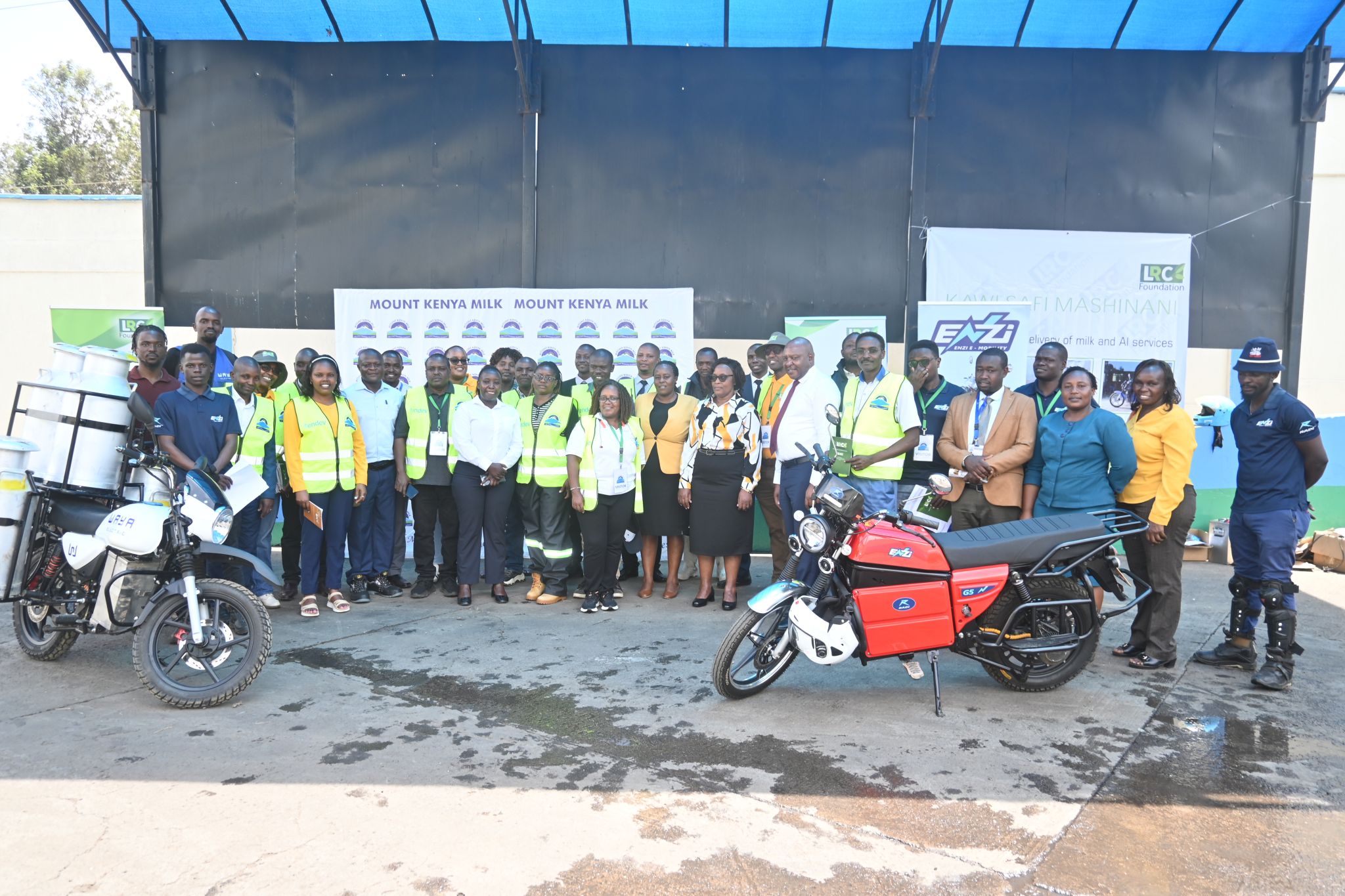
On 17th February 2026, a bold step toward sustainable agriculture and clean transport was taken in Meru with the official launch of the Electric Motorbike Pilot Project at the headquarters of Meru Dairy Union.
The six-month pilot project seeks to demonstrate how electric mobility can transform last-mile logistics in the dairy sector, improving milk collection from farmers while strengthening agricultural extension services. At the same time, the initiative contributes to Kenya’s growing push toward clean energy, climate-smart agriculture, and sustainable transport solutions.
The launch brought together a strong coalition of partners including LRC Foundation, Waya Electric, Enzi, Pudo Africa Logistics, Mulika Africa Solar Ltd, and development partner Deutsche Gesellschaft für Internationale Zusammenarbeit.
Together, they are testing whether electric motorcycles can provide a more affordable, reliable, and environmentally friendly alternative for rural dairy transport.
The Challenge: Dairy Logistics in Rural Kenya
Across the Mount Kenya dairy ecosystem, milk collection is a daily logistical challenge. Milk must be transported quickly from numerous rural aggregation centers to cooling and processing facilities.
For years, this system has depended on internal combustion engine (ICE) motorbikes. While effective, these bikes come with growing challenges:
- Rising fuel costs
- High maintenance expenses
- Frequent mechanical breakdowns
- Increased carbon emissions
These issues not only increase operational costs but can also lead to delays in milk collection, affecting milk quality and farmer incomes. The Electric Motorbike Pilot was therefore designed to test whether electric motorcycles could offer a smarter solution.
Introducing Electric Mobility into Dairy Logistics
During the launch event, four electric motorbikes were officially introduced into the pilot program, each serving a specific role within the dairy ecosystem.
Supporting Milk Collection
Two electric motorbikes supplied by Waya Electric will support last-mile milk collection, transporting milk from farmers to nearby aggregation centers.
By reducing fuel dependence and lowering maintenance costs, these bikes could significantly reduce the cost of milk transportation while improving reliability.
Strengthening Farmer Support Services
Two additional electric motorbikes supplied by Enzi will support agricultural extension services.
These bikes will enable field officers to:
- Visit farmers more frequently
- Provide technical advice and training
- Conduct outreach and advisory services
Faster mobility means better support for farmers and stronger dairy productivity.
A Strong Partnership for Innovation
One of the most powerful aspects of the pilot project is the collaboration behind it.
Each partner brings unique expertise and resources to ensure the project succeeds.
Meru Dairy Union
Meru Dairy Union is providing the operational backbone of the pilot by:
- Integrating the electric bikes into its milk collection network
- Supporting deployment across rural routes
- Facilitating monitoring and performance data collection
LRC Foundation
LRC Foundation is coordinating the implementation of the project by:
- Managing stakeholder engagement
- Supporting capacity building
- Documenting lessons learned for future scaling
GIZ Kenya
Deutsche Gesellschaft für Internationale Zusammenarbeit is supporting the initiative through financial and technical assistance, helping generate valuable insights that could shape the future of electric mobility in rural economies.
Technical Partners
Technology partners are also playing a critical role:
- Enzi – technical support and rider training
- Waya Electric – EV technology and operational guidance
- Pudo Africa Logistics and Mulika Africa Solar Ltd – monitoring performance and supporting project evaluation
What Will the Pilot Measure?
Over the six-month pilot period, partners will closely monitor how electric motorbikes perform under real rural conditions.
Key indicators include:
- Cost per litre of milk transported
- Distance range covered by the electric bikes
- Battery performance and reliability
- Operational cost comparison between EV and ICE motorbikes
- Rider and technician feedback
- Efficiency in milk collection and service delivery
These insights will help determine whether electric mobility can scale across Kenya’s dairy sector and other agricultural value chains.
Why This Matters
The introduction of electric mobility into agricultural logistics is about more than new technology.
It represents a shift toward smarter, cleaner, and more resilient rural economies.
If successful, the pilot could:
- Lower transport costs for dairy cooperatives
- Reduce carbon emissions in rural logistics
- Improve milk collection efficiency
- Strengthen farmer support services
Ultimately, it could transform how agricultural value chains operate across Kenya.
Looking Ahead
The launch of the Electric Motorbike Pilot Project marks the beginning of an important journey.
Through collaboration between dairy cooperatives, clean energy innovators, development partners, and technical experts, this initiative will test how electric mobility can power sustainable agricultural growth.
The lessons learned in Meru may soon inform similar innovations across the country—helping build a cleaner, more efficient future for Kenya’s dairy sector and rural economies.